
Everyday Life is Opposition to the Society of the Spectacle
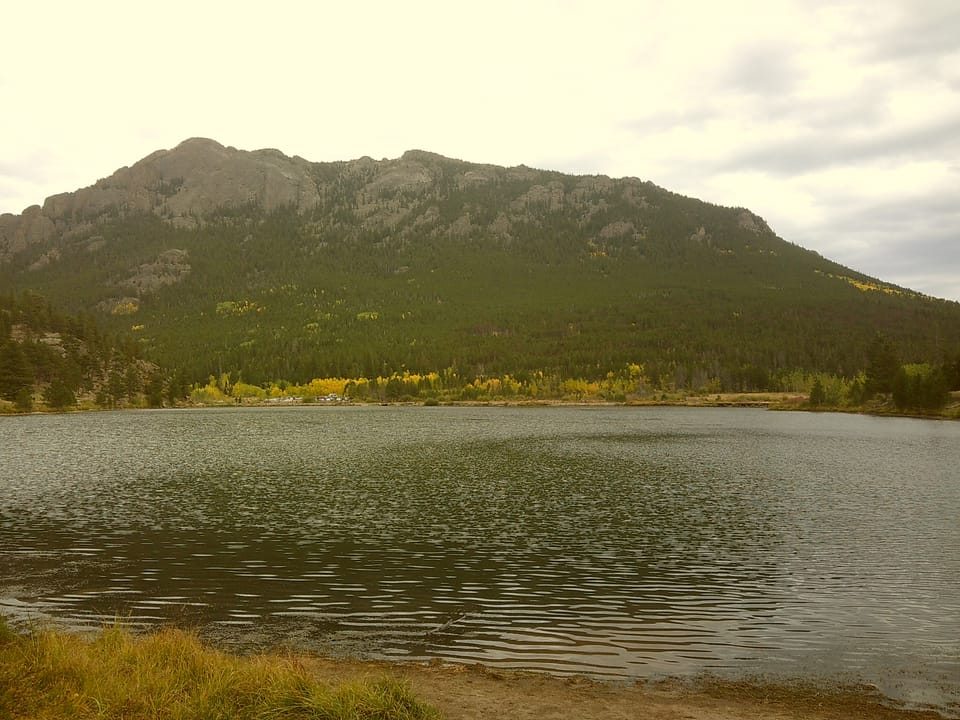
Sorry for the delay this morning. Lily and I attended a wedding yesterday, which is my typically writing day. Unfortunately, I wasn’t able to finish the essay working on it in fits and starts throughout the week. Consequently, here I am in your box a bit later on this our most holy Black Sabbath. Our black sabbath also coincides with the autumnal equinox. Up in the mountains, where our wedding was, we had some time to check out the Aspen color changes peaking out from the Pine trees that dominate the mountainsides. It felt like fall had arrived. Well, the foliage color changes were also accompanied by hours long rain, which brought 50 degree temperatures. The smell of the rain hitting the parched earth, the yellow and oranges dotting the landscape, and the brisk temperature all were a balm to me. I am ready to close this season of light and return to the dark. Its time to cue up Tamarack’s Gold Returns from Panopticon’s perfect 10/10 record “Autumn Eternal.” Anyways, enjoy today’s free offering.
Time is something I have experienced as a bludgeon. Being someone who has worked as a consultant having to document and bill out every 15 minute block of time, I have experienced time as a crude weapon that beat me down. Well, that is at least how I experienced time when I was logging the minutes of my life in that manner. This is what Guy Debord in his “The Society of the Spectacle” would refer to as the irreversible nature of time in economic capitalist production. Time, in this sense we all know too well as adults trying to survive, is boiled down to countable units that we sell to our employer that can be felt as us marching forward toward some defined project or as just bullshit (David Graeber’s Bullshit Jobs is particurlarly helpful in this regard.) Regardless of the purpose, time in such professions feels like being Sisyphus rolling a ball up a hill time after time. However, you have someone keeping time and they are constantly hounding you to do slightly better, despite the fact that what you are doing likely bears no real importance no matter how fast you do it. Sometimes, it even feels like you are the girl in the bumblebee costume getting laughed at by the audience in the beginning of the Blind Melon “No Rain” video.
In such a sad state of affairs, we have all been that person decaying on the couch after a long day of work just trying to unwind with LEISURE! We might find ourselves gently decomposing by partaking in a vegetative consumption of the stream of spectacular images that might come to us through netflix, our social media feed, or the good ole TV. We might even make enough dollhairs to take a vacation, a reshaped form of idleness Debord calls Psesudocyclical time, where we are consuming commodified, “all-inclusive” blocks of time in tourist deathtraps where we are trying to make the most of our time away to relax or else. No pressure, right? Such is the seedy underside to the sort of leisure we, and Debord for that matter, are all sold as the pay off for our time spent hard at work. The problem is that leisure or vacation never pays off. No, for Debord and likely in our own experience, our leisure and vacations just underscore how dominated our time is by capitalism and how commodified our time is as a result:
I think Debord’s line “What is presented as true life turns out to be merely a more truly spectacular life,” is one of the most chillingly accurate lines in social theory that I have ever read. It may only second my favorite Foucault line from Discipline and Punish, “Visibility is a trap.” Isn’t it convenient to hook up your whole population to devices that have algorithms or programming schedules that help funnel folx toward mainstream voices that will affirm certain views of reality. This is where, if I were to indulge myself, I would make some matrix reference that we are all like batteries powering this dying system through its continuing decay, but I am not gonna do that. You know why? well, It’s just not that helpful (even if I enjoy the mental image and using it repeatedly), because I want to slip the snare of that spectacular time and get down to an everyday life of where we are engaging with what is going on just outside our doors, not engaging with images and voices of what someone is saying is going on.
David Graeber’s book Bullshit Jobs is really helpful (You can read the original essay his book is based off of in STRIKE! magazine) to fleshing out how this real everyday life is possible. A key dimension of his conceptualization is that a person needs to think their job has no real purpose for it to be a bullshit job. A person’s opinion matters, which I think is an important dimension to include in an conceptualization of domination and oppression. Why? Well, there’s a lot of white dudes, like me, who are social scientists that want to break up the world into neat, tidy concepts that explain the world perfectly, that explain oppression and domination perfectly. This is one of the principle critiques of social theorists like Foucault, who folx argued theorized systems of total power where there was no escape. As someone who doesn’t write theory for a living and works in a cubicle, I don’t need to, nor do I want, to write a theory that takes people’s own opinions about the world they face out of the picture. No, we all face varying levels of opportunities to push back against the incredible array of systemic leviathans that try to force their way of life on us. Yet, we always have the ability to push back. We always have a capacity to find, nurture, and build a life that escapes the spectacular form of everyday life that is being sold to us. Social theory is a tool kit, not a death sentence. Act accordingly! Take your everyday life as a dead serious opposition to the society of the spectacle.
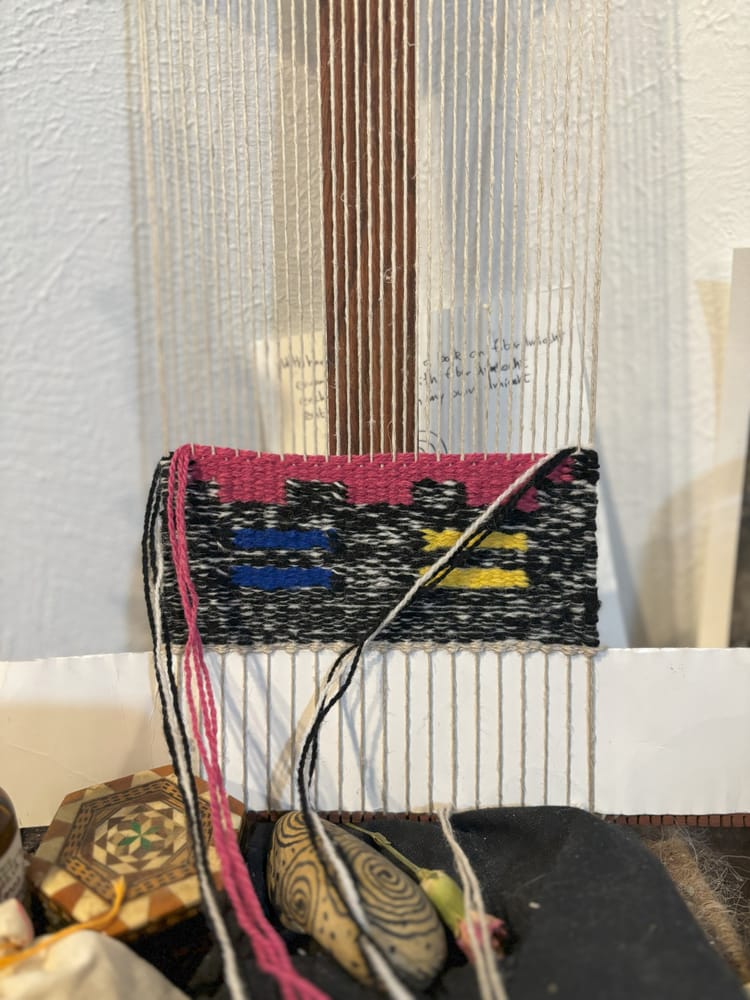
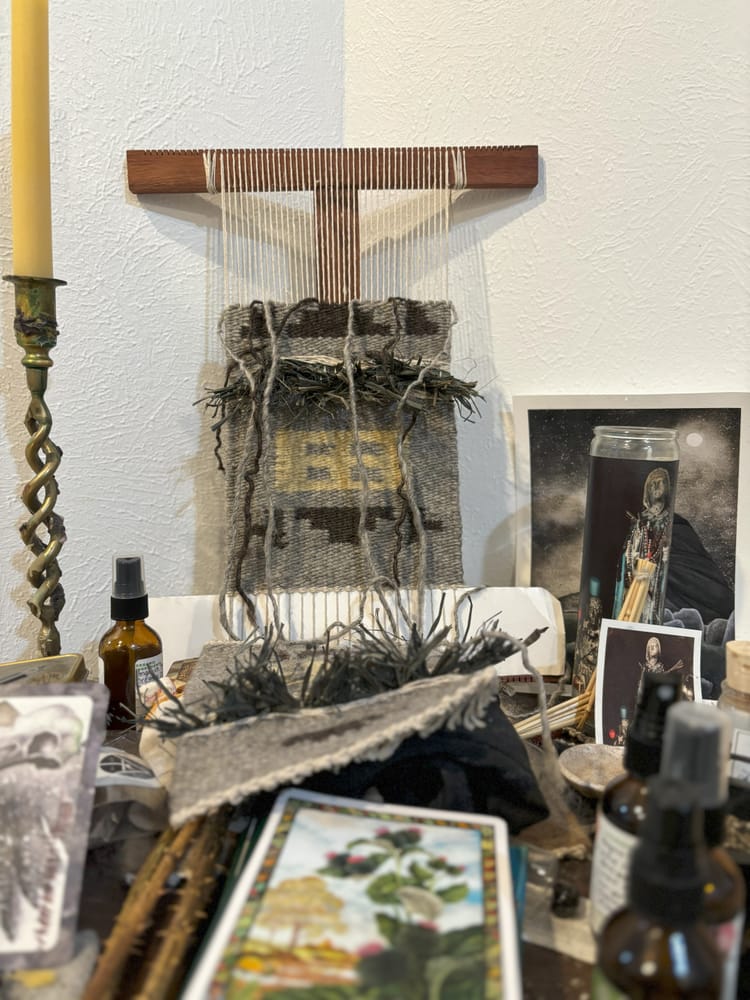
As a craftsperson and omen bicycle quester that attempts to make enchanted garments and find enchanted moments, I feel that I have slipped the noose from capitalist forms of time and lost myself in the flowing passage of temporality. In such a space/time experience, there really isn’t time as we typically know it, just a gentle unfolding of joy and tactile sensation. I felt that longing for the feeling of that tactility this week while embroiled in a rather long work and logistics day. All I needed to do was weave five simple rows on the baby quilt that I have been working on for my niece and take a short ride to settle into a different conception of time. That’s not to say that consumption modes of time don’t impinge on me any longer. They do, but I have trained my mind to be able to turn a switch and engage a different conception of time where my activities outside my labor don’t just feed into that deeply commodified notion of time. I can drop into an everyday life that is about connecting myself into this mysterious WWW (Weird Woven Web) of solidarity and attachment that we are all connected into as folx living in a place trying to make sense of our existence with questioning and making art. That is how we pack the society of the spectacle into a neat little box to file away into the dustbin of history; We weave ourselves into the world we inhabit and get curious about all the beings that we share this world with. That’s how I re-inhabit the real when the spectacle tries to dictate to me what the real is.
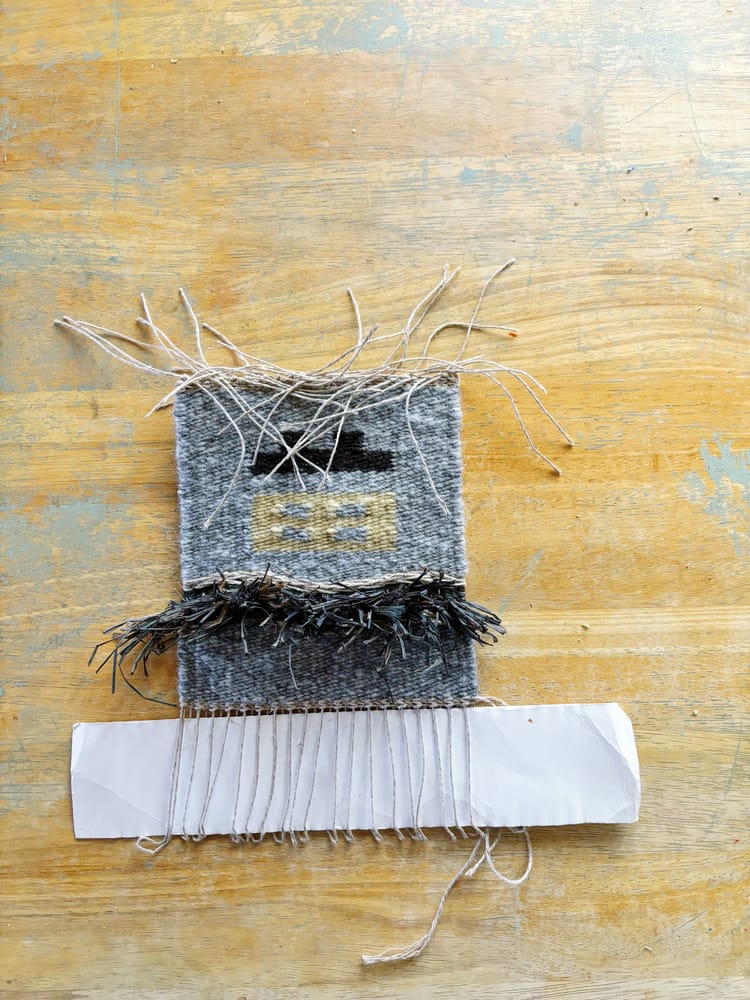
Ok, you might ask, how does this look in practice? Well, for one, I like to let my meanderings on a bike inform how I develop the protective boundaries in my weavings. This past week, I was particularly struck by some of the ornate adornments on the tops of buildings. Such real life boundary research is particularly useful for me, because it helps me think about how I might situate my own boundaries in the weavings I make as examples of real like ornamental architecture that I might see as I move through the city. In this way, I am shrinking the distance between my real life and the enchanted imagining that I am bringing into being on my loom.
Shrinking this distance feels incredibly important as we continue to see report after report that so-and-so group is dangerous and deserves to be blown into oblivion. I am just so over taking seriously any person who is seeking to influence my view of reality through their second-hand discussion of something they did not experience or study first hand. There are legions of people making money out there to just try to influence you with some spectacular image that they have conjured from the ether. We do not need to listen to them. BEGONE Spectacles! We don’t need to follow trends. Let’s just get back to being inspired by bygone eras and the world around us. Or, in my case, I will just go back to weaving protective boundaries in my weavings from the ornamental barricades at the top of nearby buildings.
Here, I am riffing off of the poet Lora Mathis, who recently reposted their call to stop influencing from 2019. It’s still as vital as ever and exudes the same spirit of what I have been thinking about with regard to what I take away from Debord’s work.
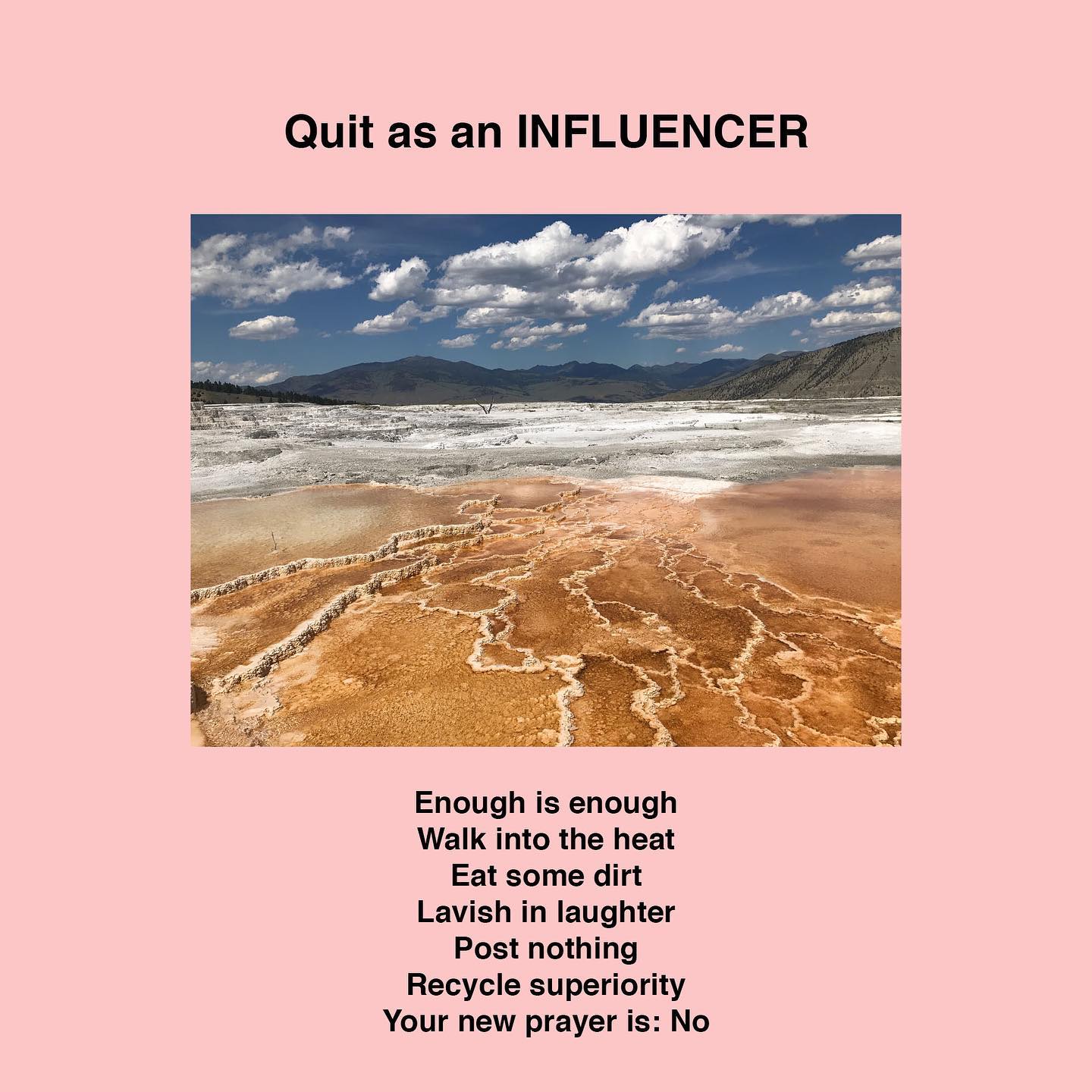
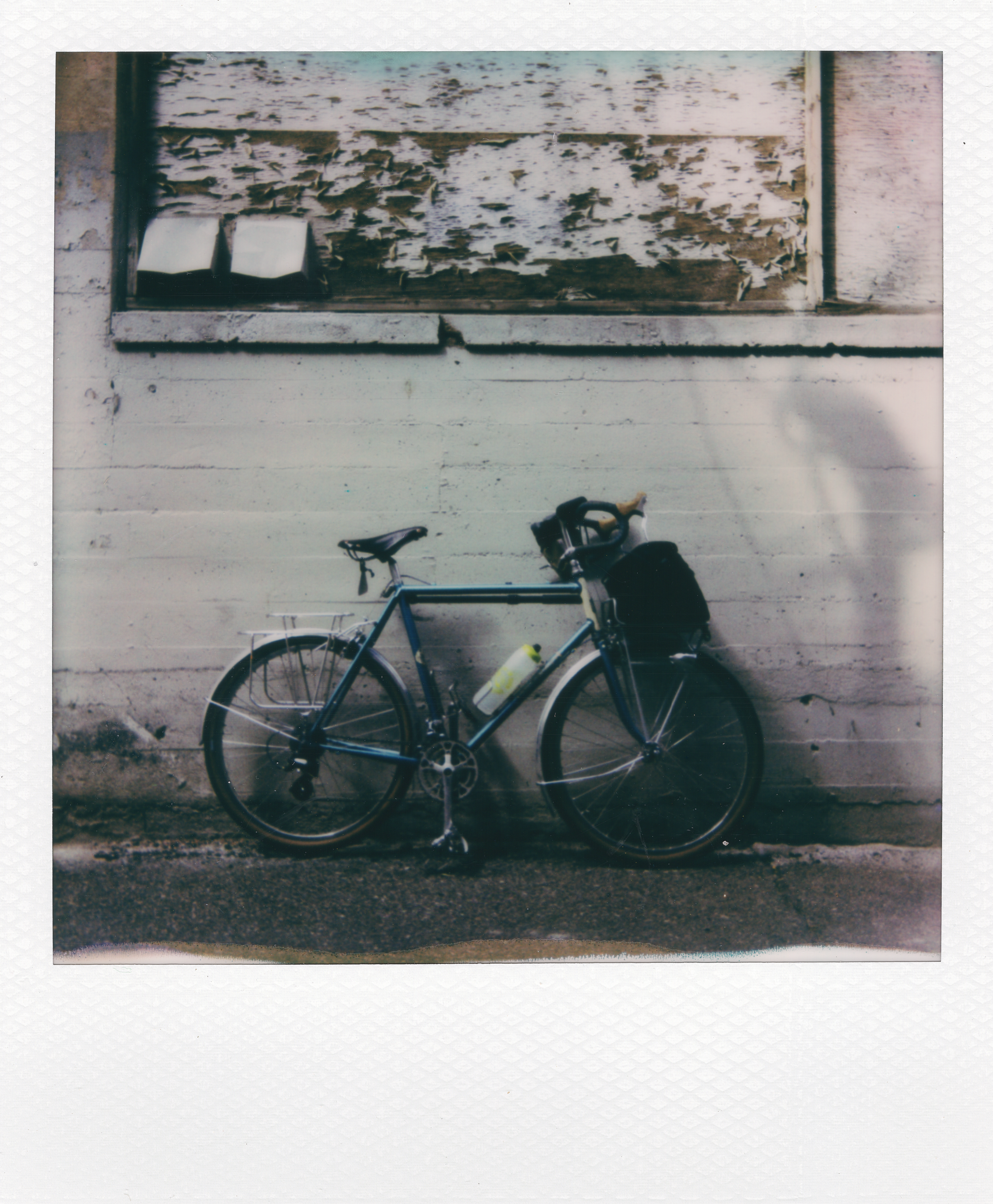
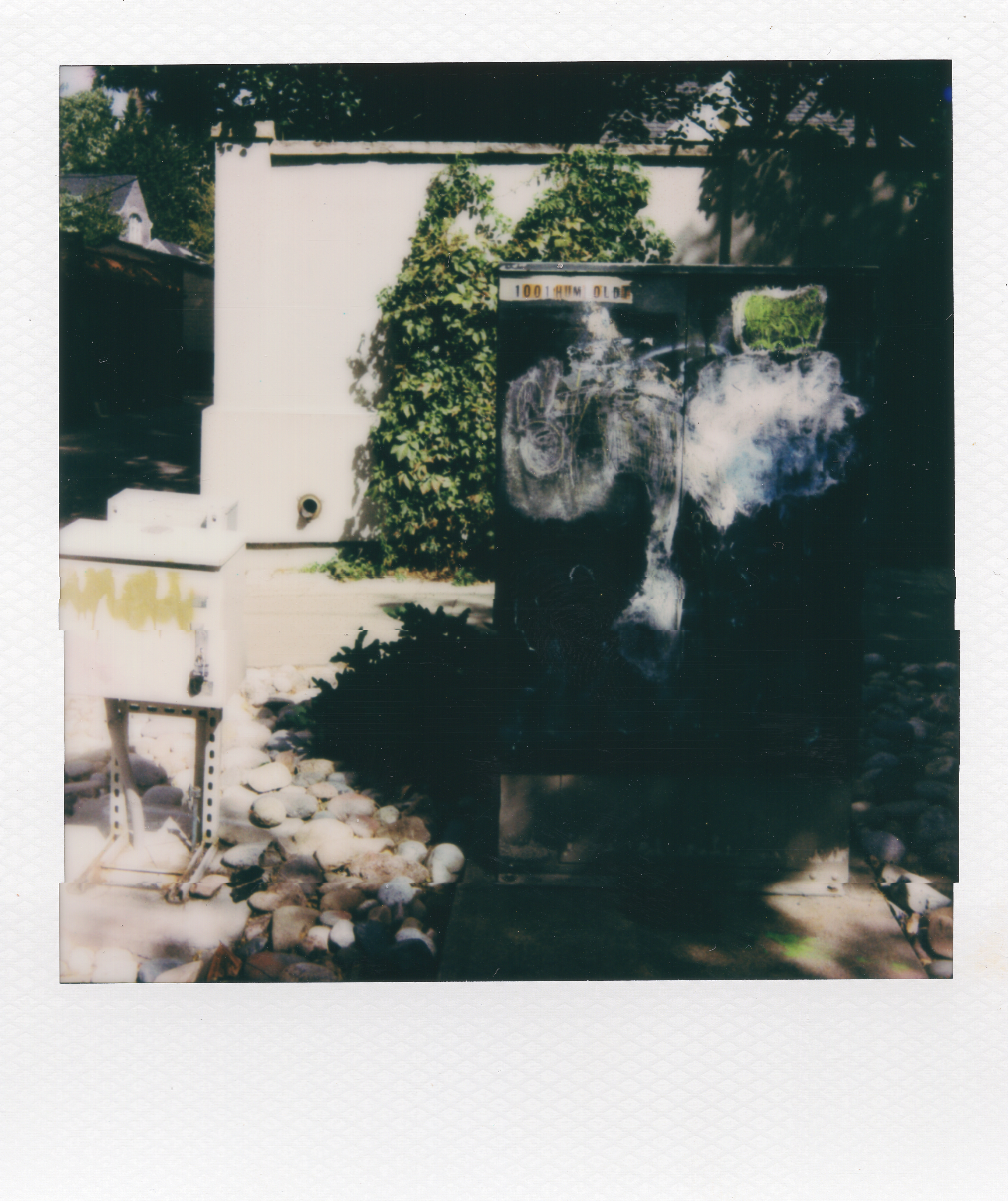
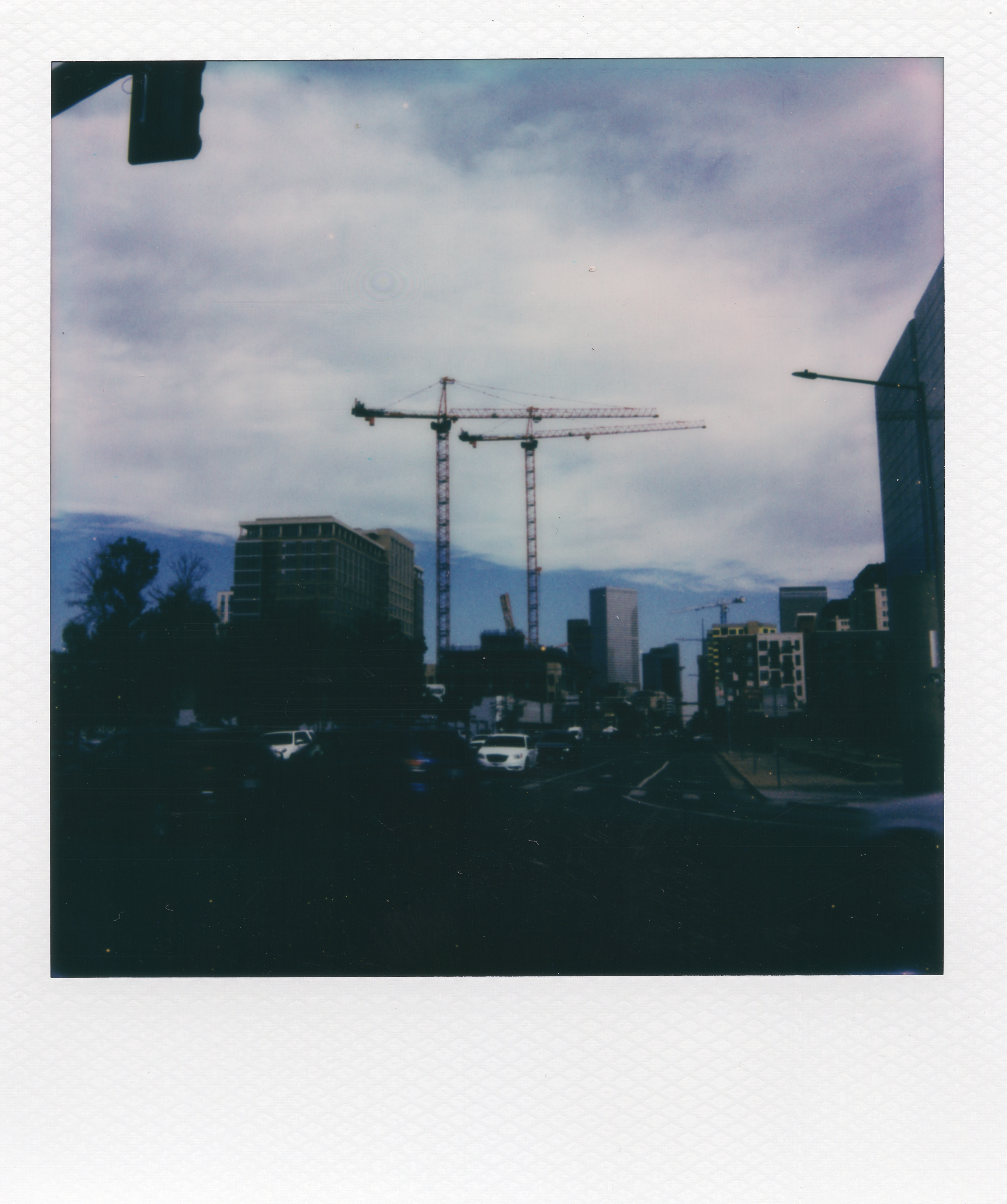
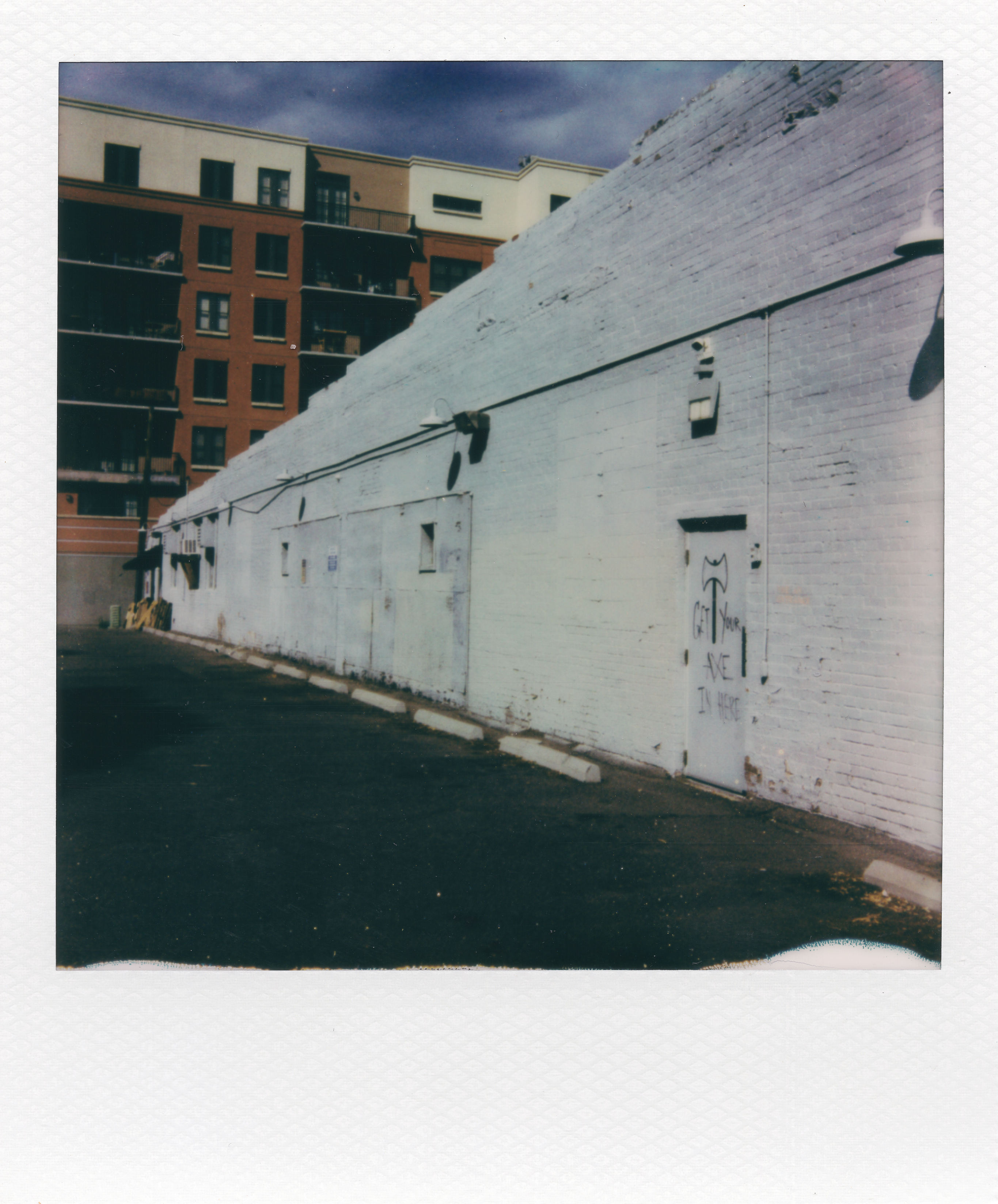
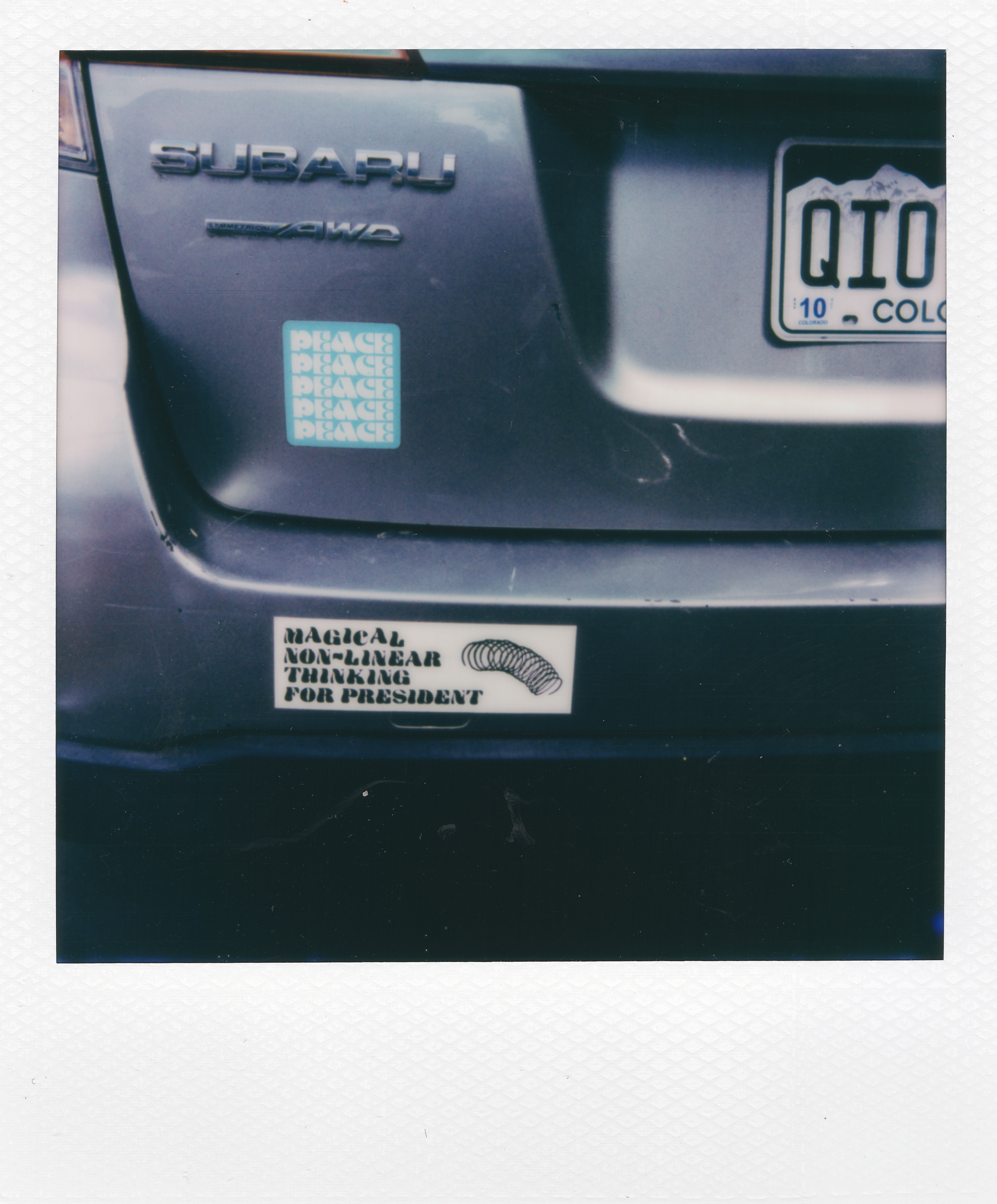
Me, I am trying to cycle into the heat of the city and take some polaroids of life happening:
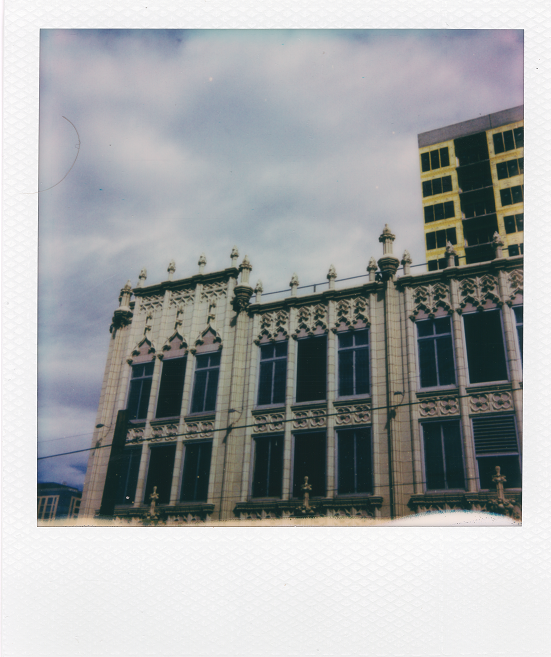
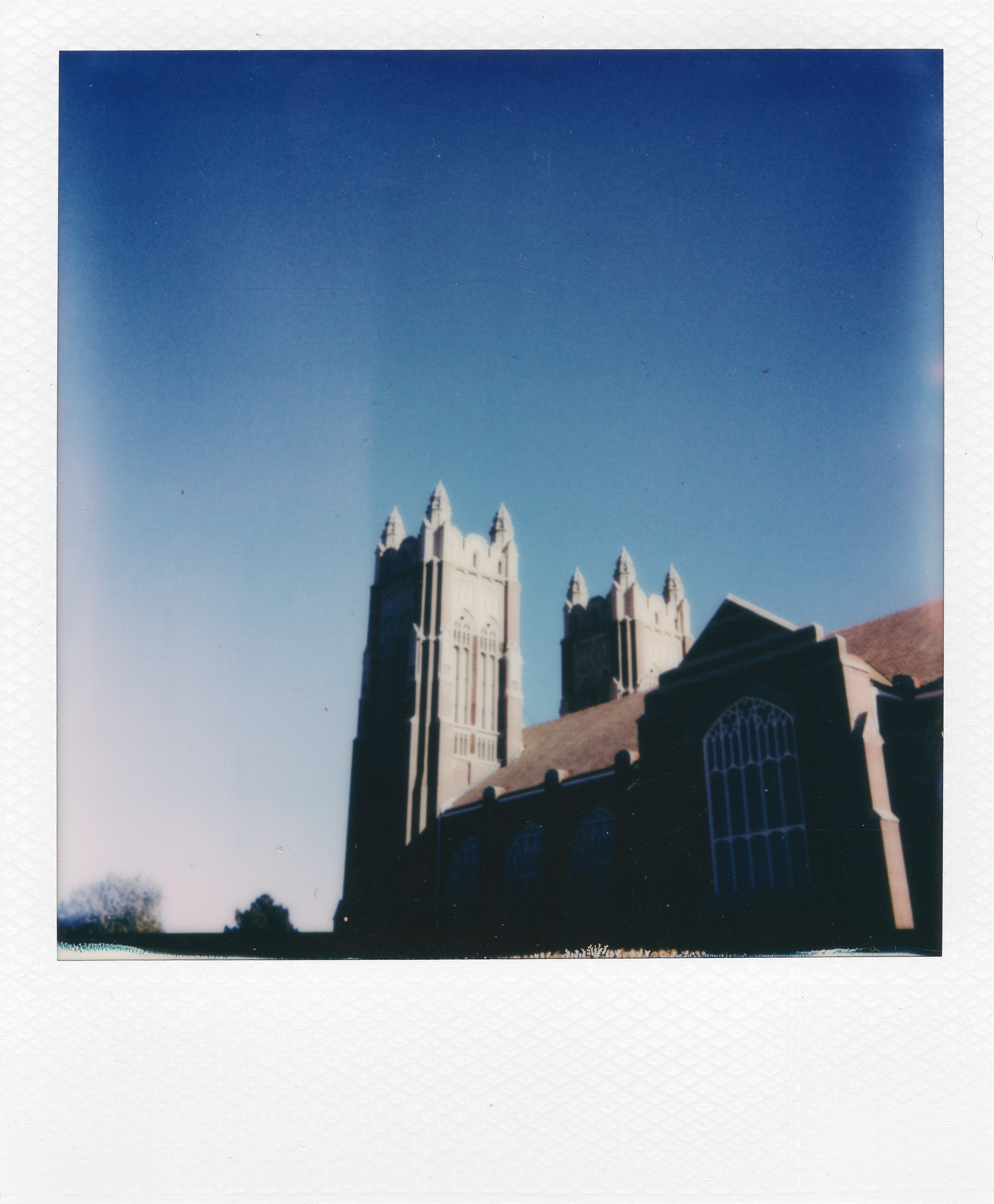
These two buildings literally just leap out to me as great examples of protective boundaries and I cannot wait to use them to inform boundaries in the future. In my own effort to be more complex in how I build protective barriers, I went with two incredible separate barrier designs for the top and bottom of Sophia’s baby quilt. I tried to make a barrier design that was all one cohesive block of protection on multiple layers, similar to how many of the tops of the structures I took polaroid photos of above had that compelxity.
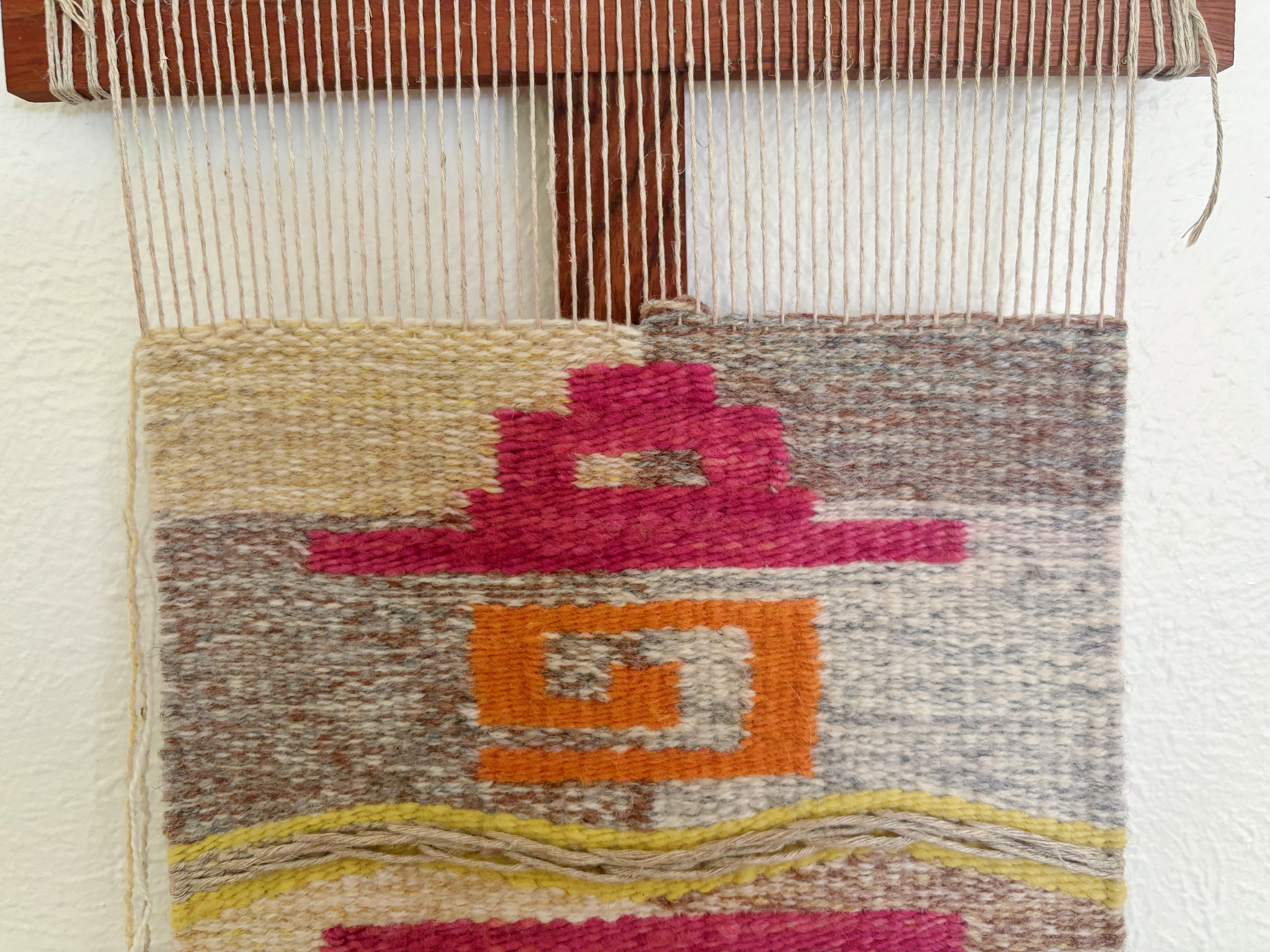
I think I am most excited for how I continue to develop these sorts of protective boundaries with the intention of shrinking the distance between the enchanted textiles I make and the enchanted moments I experienced.
Photo Essay - “It’s all available to us”
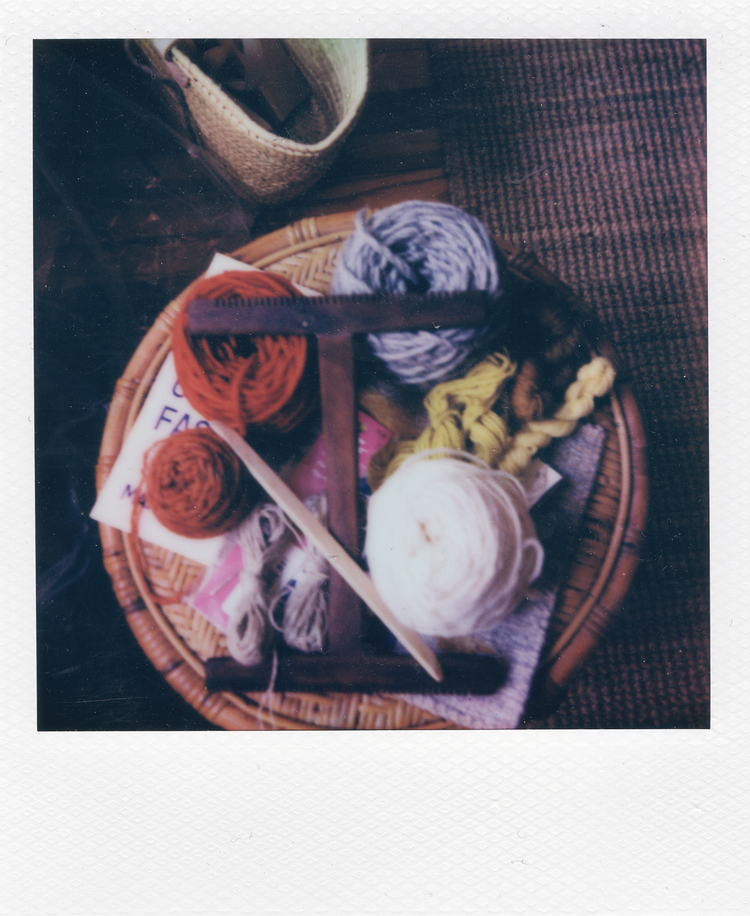
The thing I like about our age is that anyone can be a photographer, even a bad one. I don’t think I am particularly good at photographing things, and that is good. The practice is still available to me as way to experience the tactility and joy of everyday life. I can create something that I can hold that will never be discussed as being consequential in any regard. I don’t have to influence anyone to enjoy a form of making This is why I love my polaroid camera. I got 8 shots that I get to divvy up across a ride, and when I am out, I am out! When I get home, I get to hold the shots in my grubby little paws and see which ones delight me. Those photos are always full of those Bob Ross “happy accidents,” which I love. I love that I can slip out of productive time and just be someone crafting little happy accidents for myself. That is about as anti-capitalist as you can get, because it’s your own creations that are making you happy. You are unhooking yourself from the matrix of consumption and using tools at your disposal to entertain yourself and share joy with those around you.
Polaroid photos are expensive though, so I am on a budget with those. Each photo, if you buy an I-Type film bundle, is about $1.80 a shot. To me, the process that goes into loading the film in, deciding to stop to take a shot, scurrying my little paws as fast as I can to hide it in one of the money internal pockets of my Outer Shell Rack Pack, looking at the photos when I get back, scanning them into my computer, and loading them into substack is well worth that roughly $15 dollars a pack. I sure get more experience of everyday life working through that process and deciding what is worth photographing in the world around me than I do from the streaming services that I pay the same amount for each month. At least I am engaged and working through that process of seeing, capture, archiving, and presenting. There is an activation of the I that just isn’t present when vegetating. Ok, enough of me. Let’s look at some photos:
Thank you for being here. I am so grateful that 35 of you are willing to pay to read what I write each week and that over 500 of you have signed up to get an email to your inbox with my little grubby paw ramblings. Any time I don’t think any of this is worth it, I just remember that you all showed up for me in one of my most vulnerable moments of putting myself out there. I cannot let any of you down.
Until next time, dear reader,
James
Debord, Guy, 2021, The Society of the Spectacle, Critical Editions, pg 87. ↩
Member discussion