
Where do I belong?
You know this whole masculinity business is really quite difficult to navigate. I mean, I know that at sort of an instinctual level at this point, having navigated it’s more virulent and toxic forms in my life. You might remember my previous discussions of such topics when talking about earning attention for my father by being good at tennis. Yet, I was prompted to reflect on it a lot this week after an excellent panel discussion with Remy Savard and Jonathan Ayers about Masculinity and Craft with Missing Witches (Recording will be out in early August). I walked away from that discussion feeling the fractured sense of belonging that has always accompanied my relationship with the masculine in the US. Here, I am talking about the fundamental break that I experienced with the chads around me, those cis-gendered, heterosexual, sports-obsessed dudes that don’t got no time for equity.
I remember one of the moments that fracture became evident. I was on an indoor, blue tennis court with dull lighting, playing a practice set against my teammate. It was a dark, overcast day that one often experiences in the Ohio winters. We had all been on a team together too long, multiple years at this point. One of my teammates really was sick of me and what I stood for. I had called out folks in the past for their use of “gay” or “fag” as a slur. I had urged them to be better than the typical white men that surrounded us. I am sure they were happy with just where they were in life and didn’t see any need to change. He hit a shot that won the point and started yelling, “USA, USA, USA,” and running around in circles on his side of the court. He did this for a good couple minutes. It delighted him to no end how he could just revert back to being a school-yard bully whenever he wanted. He knew how much I hated naked displays of patriotism and so he was just fucking with me—Do you or someone you know have a chad in their lives that likes to troll people for fun? Well call 1-800-FUC-KOFF to rid them from your life forever—Same guy? He stopped using the slurs and instead started calling everything broke-back, as in broke back mountain. Ahh, the extreme privilege of being a white man that allows you to use your imagination for such petty things. He and a couple other people on the team would go to far lengths to fuck with me to remind me that I wasn’t part of the chad club any more. They revoked my card and burned it in effigy in front of me on a daily basis.
Thanks for reading A Quiet Practice! Subscribe for free to receive new posts and support my work.
As a man, you can feel that palpable sense that you are committing a transgression/ a treason when you decide to break with the norms of toxic masculinity, like homophobia, treating women as objects, and being a general dick. I remember when I got back from that freshmen year of college and started articulating very different views from my best friends. We all remained friends for years after that, but the writing was on the wall. I was their best friend in name only. Our relationship had a shelf life that would eventually expire when a situation arose where our difference in values would drive the final wedge to end the relationship. The pandemic may have been the final nail in the coffin for those friendships, but it was me embracing a different set of egalitarian values that ended those relationships.
I don’t think that I have ever come back from the loss of these friendships. I told myself for a long time that I already had best friends, so I did not invest much time in finding other male friends. The truth was that I had no interest in the rejection that had accompanied my relationship with my father or with all the friendships I lost with my values change. We all need crutches that help us through the wounding we find when we just don’t quite belong someplace anymore. It was the pandemic that finally swept my leg and left me on my back, soaking in the bitter truth of my lack of belonging in masculine spaces. It’s a sad thing this lack of belonging. I have grown beyond those spaces and cannot tolerate the behavior those masculine spaces support. And yet, the longing to be accepted in a community remains. sometimes you will avoid making friends for that long is the fear and pain is deep enough. It’s just as acutely melancholic as if I were a teen again feeling like I didn’t fit in while listening to Third Eye Blind’s “How’s it Going to be?” on my walk person in the dark.
This is the wounding of masculinity when you have chosen to inhabit a more expansive masculinity. It may sound idiotic, but there is still grief associated with losing this fictive sense of belonging. As John O’Donohue noted in the prologue to Eternal Echoes, “The hunger to belong is at the heart of our nature.”1 And so, I still feel an emptiness that comes with not belonging with those that I shared space with in friendship and on teams. The minute I decided to hold them to a different set of standards for care and concern with others there was a death that occurred. With that death complete, I was born into a more expansive masculinity that reached outside the confines of the restrictive toxic masculinity our culture uses as a straightjacket to confine men. Yes, men are responsible for their behavior and not doing better and they need to be shown that there is an escape hatch out of the life where they work and golf on the weekend until they die. I suppose that most of my work is a demonstration that escape hatch exists and their is life at the end of the dark tunnel of ridicule you have to go through to let that more restrictive form of masculinity die in your life.
My rejection of toxic masculinity was my way of honoring my longing to be my own person with my own chosen sense of belonging. I was never given that safe place of belonging in masculinity other than one that was contingent on me destroying other guys trying to find the same safe haven in tennis. Ultimately, my failure in these domains led me to have the sort of deep longing that John O’Donohue talks about to leave the predictability of the masculine social norms I was simmered in:
Yes, with finding no safe harbor in that predictable, easy belonging in the chad cabal, I honored that deep longing to find belonging in other places. I found belonging with my fiber art and witchcraft kin. I found belonging with my metal music and bicycle kin. These were the This was was the sort of belonging not contingent on adopting a societal straightjacket that would oppress not only me but all those in the world that are stomped on by the reification of toxic masculine norms in society.
Seeing where I found kin and the nature of those ties, I am left realizing how I had unrealistic expectations for belonging, and O’Donohue provides a necessary lens to correct that expectation. With living into a family life where I have had few safe harbors of belonging, I had an unfair expectation that all my feelings of kin-building would be dramatic, family-level belonging events. I suppose that is a natural response to try and fill the void of the wound left when one has lost their family. However, I think because I set my bar so high for belonging, thinking I needed to be in an in-person community that is family like, I set myself up to feel like I don’t belong. It’s not realistic to have that intimate of ties where you belong. No, O’Donohue notes that we should focus our sense of belonging in a looser sense of duty to those we share a community with in the place that we live in:
I love this so deeply. Its such a balm to get a concrete definition of belonging that is so loose and offers so much ground for individual freedom. I don’t think John thought of himself as an anarchist, but this is where the independence and fraternity of the Western Coast Ireland he was raised into certainly comes very close to expressing a very anarchist-friendly conception of how one can belong, or begin the work of taking back belonging for their community. Yes, one can belong just by being a part of their community; You can just weave yourself into a place.
And, I really feel like I have risen to this challenge of finding a new way to belong. yes, through my own wayward path, I have woven a life for myself here in this place. Yes, I do belong, just not to some restrictive, cheap form of belonging, like masculinity, that we are all supposed to let die. I belong where I live and when I make that place a rich, inhabited community. I belong when I support Farmer Jade and her community supported agriculture program all year round. I belong when I support my cooperative-owned craft store fancy tiger. I belong when I teach people in my community how to weave. I belong when I stop and talk to my neighbors and share tools with them. I belong when I act as the overly enthusiastic local metal band fan at the independently-owned venue, showing up early to see all the local bands opening for the larger touring acts. I belong when Juju and I play at the playground and we practice sharing toys with all our friends. I belong when I pick up my weekly sammies and pizza dough for the family at the corner deli from Miss Cecilia (who lives in the neighborhood too). I belong when I accept medicinal and herbal plants from my neighbors and care for them like they are my second born. I belong when I bring native plants into my yard and let them take over. I belong when I devote my professional life to public service to my community.
Let these forms of belonging crowd out any fictive sense of belonging one gains from social norms or proscribed identity. Let us all throw in our lot and build our communities so we all have a place to belong, with harm to none.
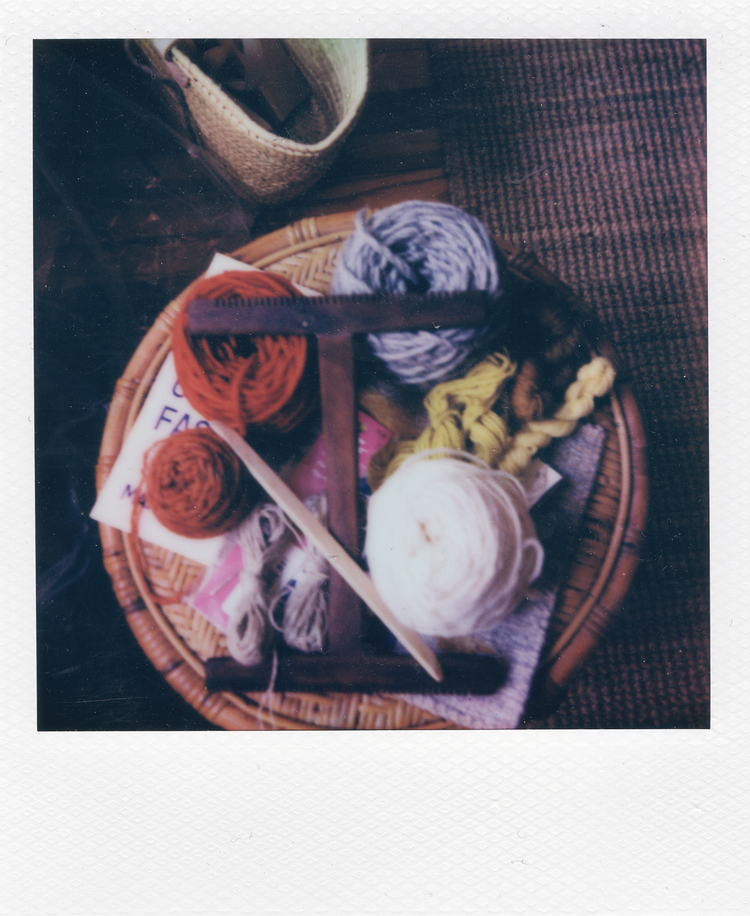
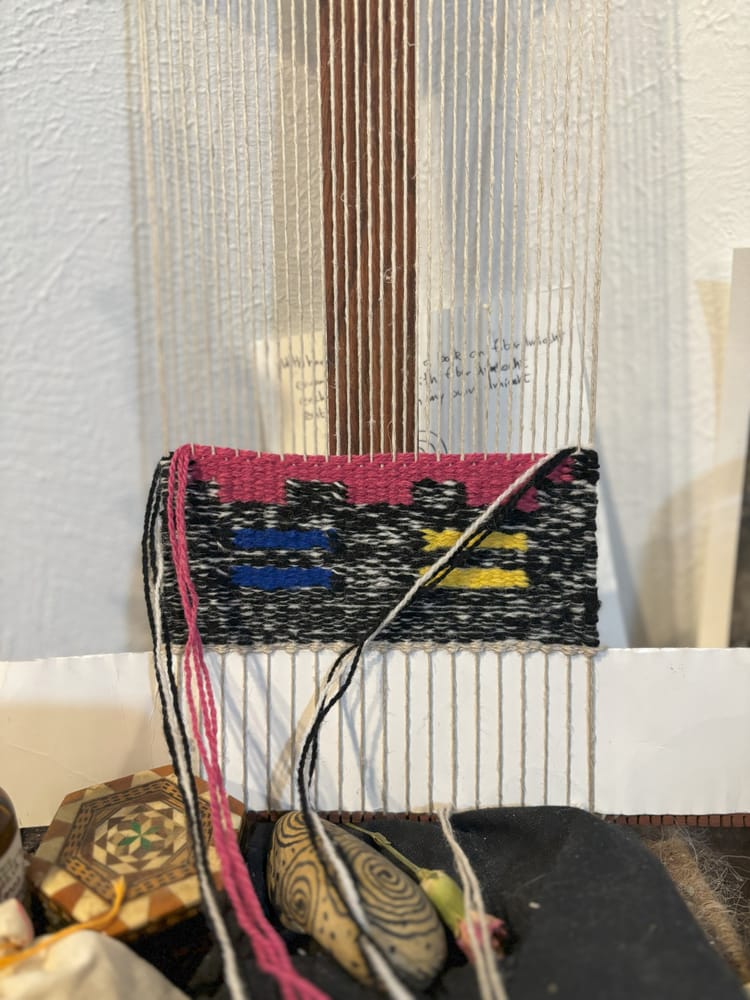
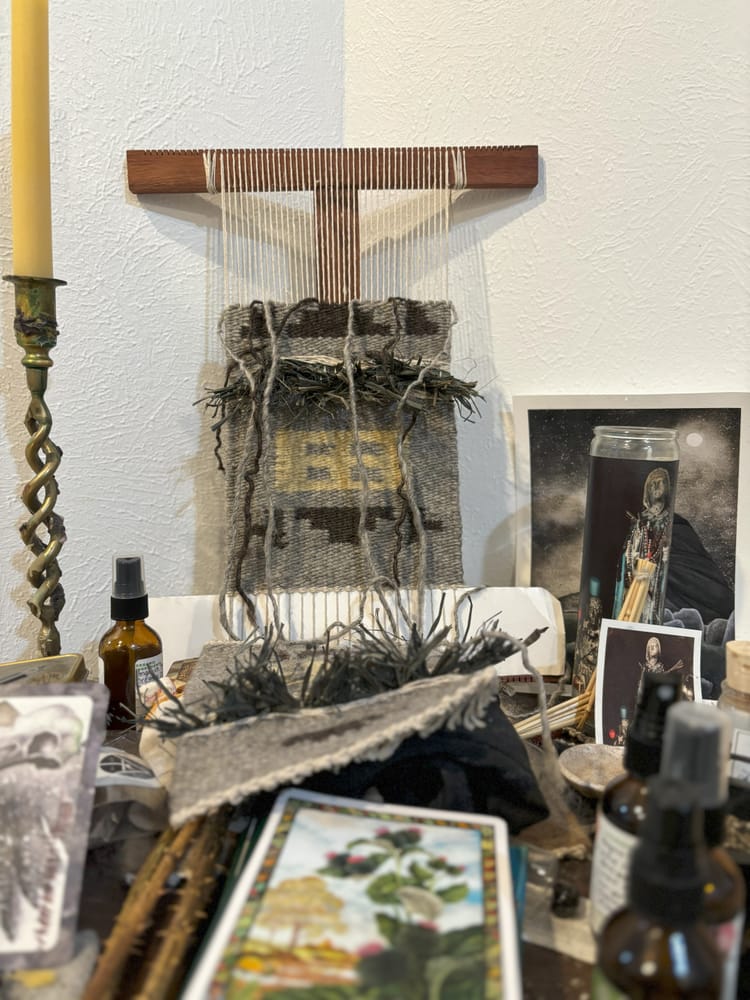
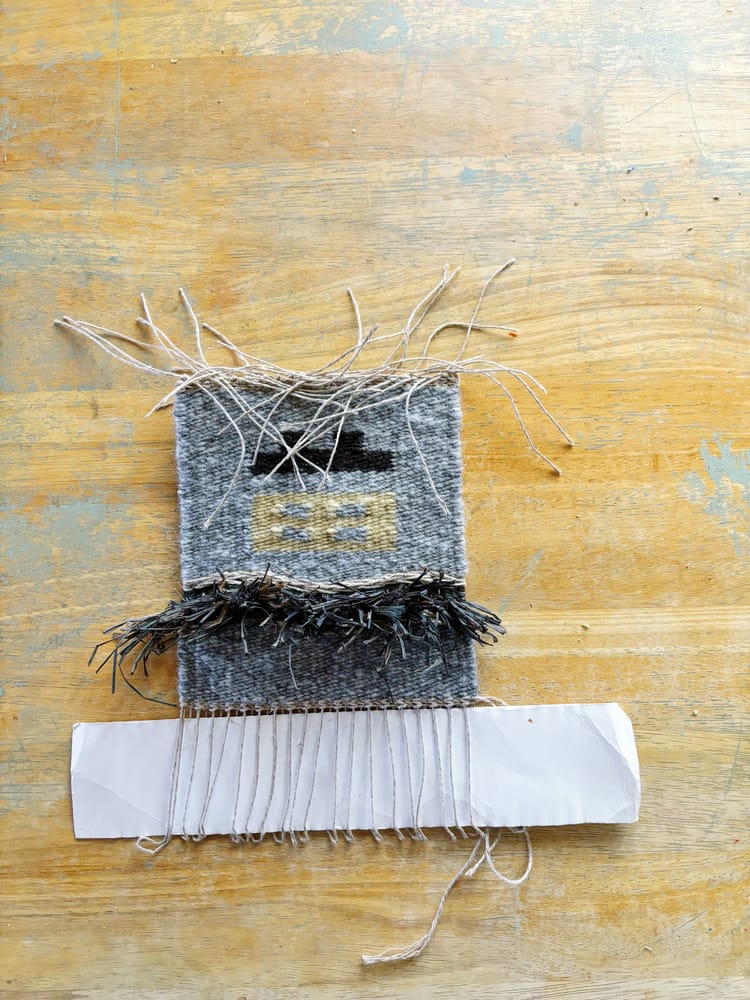
I also finished a very long process of finishing a commissioned weaving, so I wanted to show you’ll that process in four photos and a video.
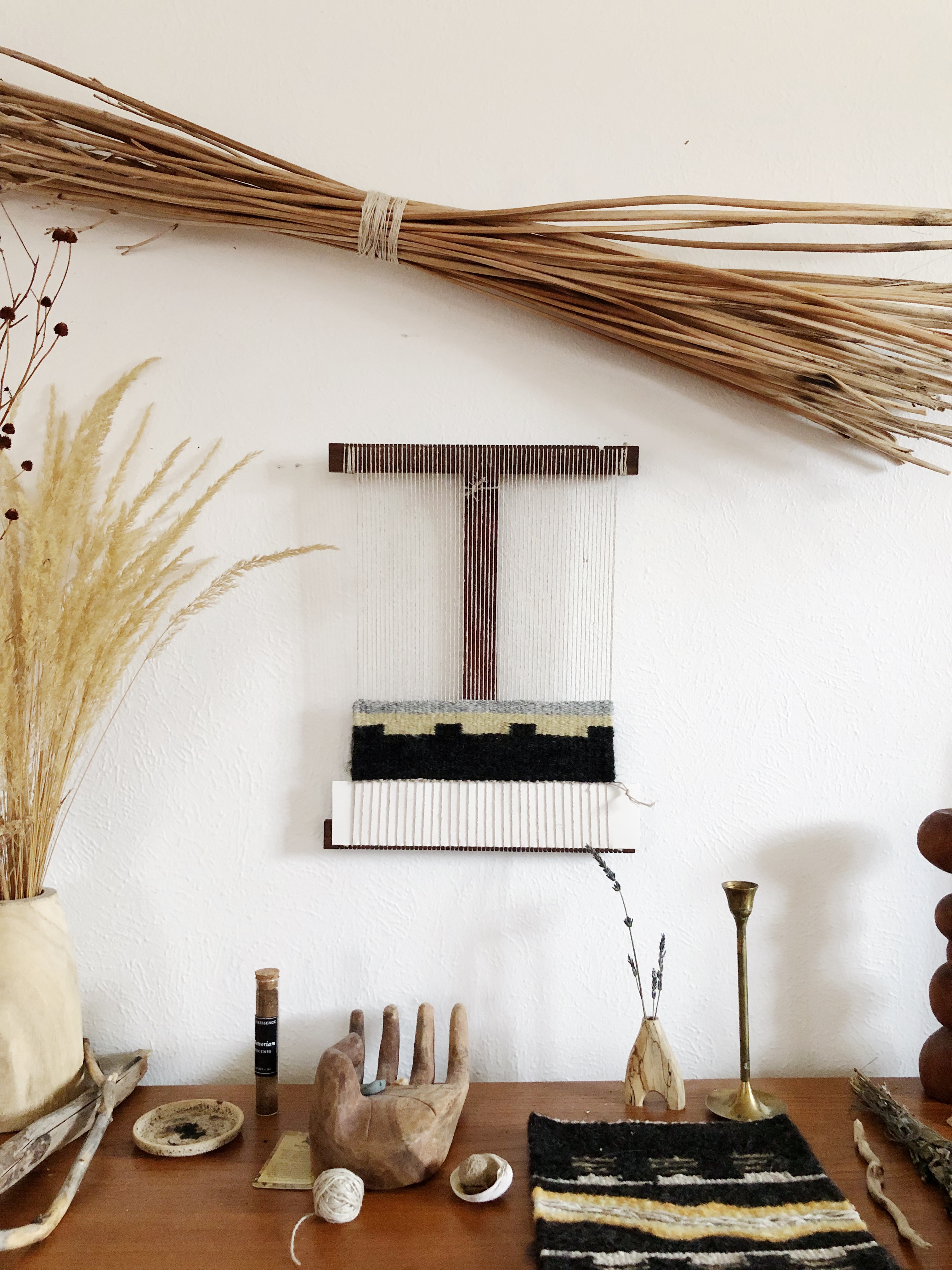
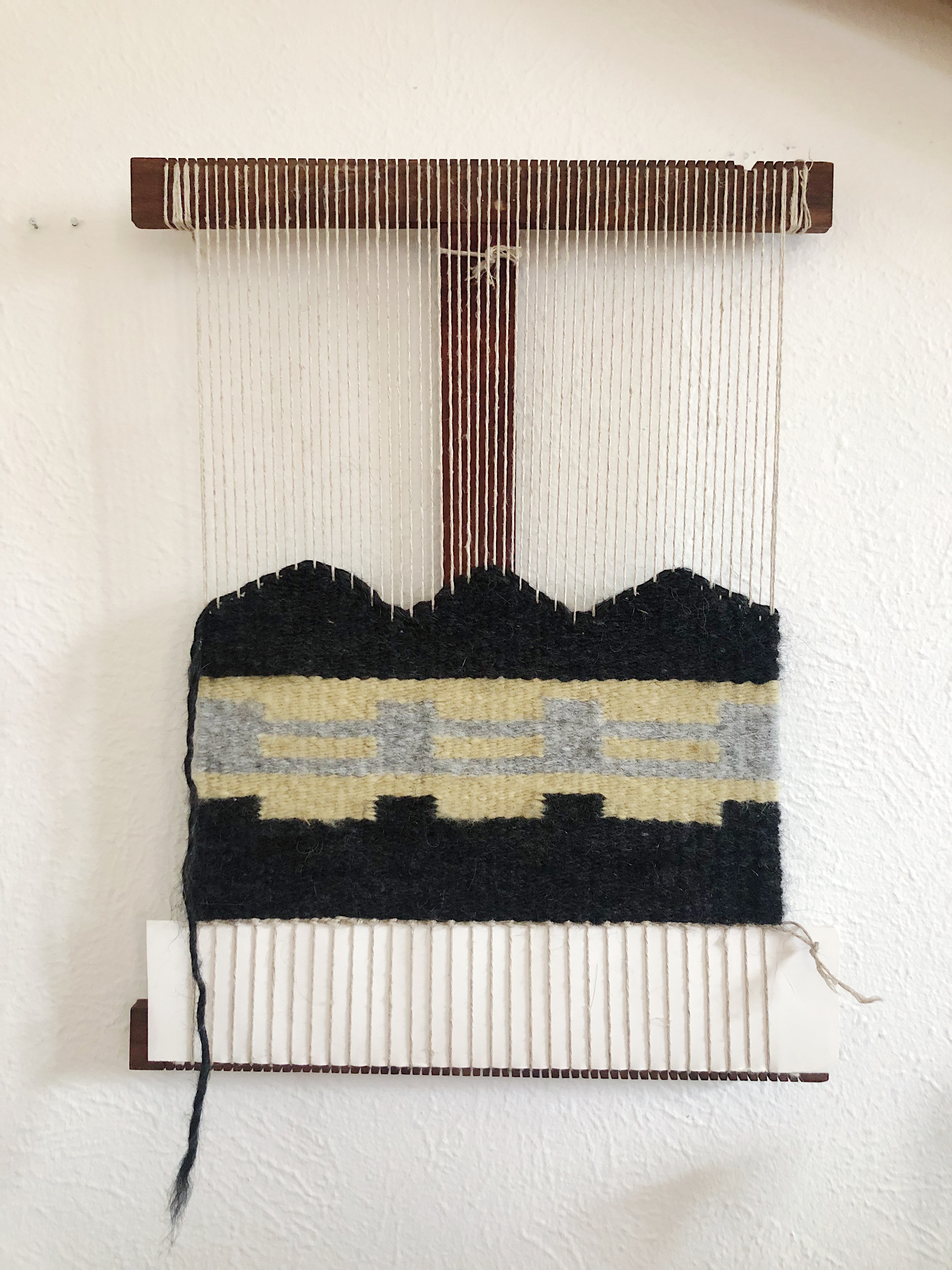
May 2023
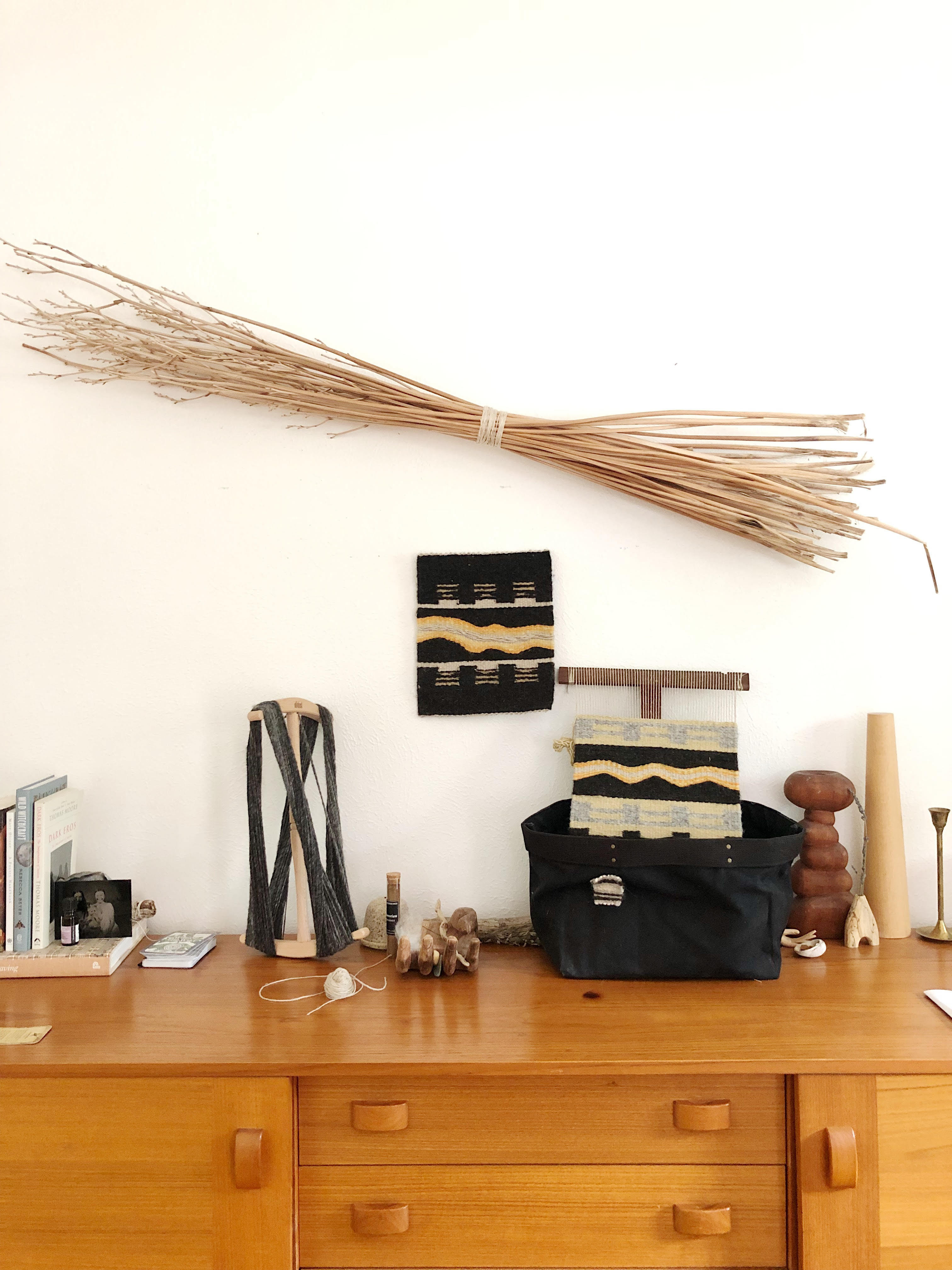
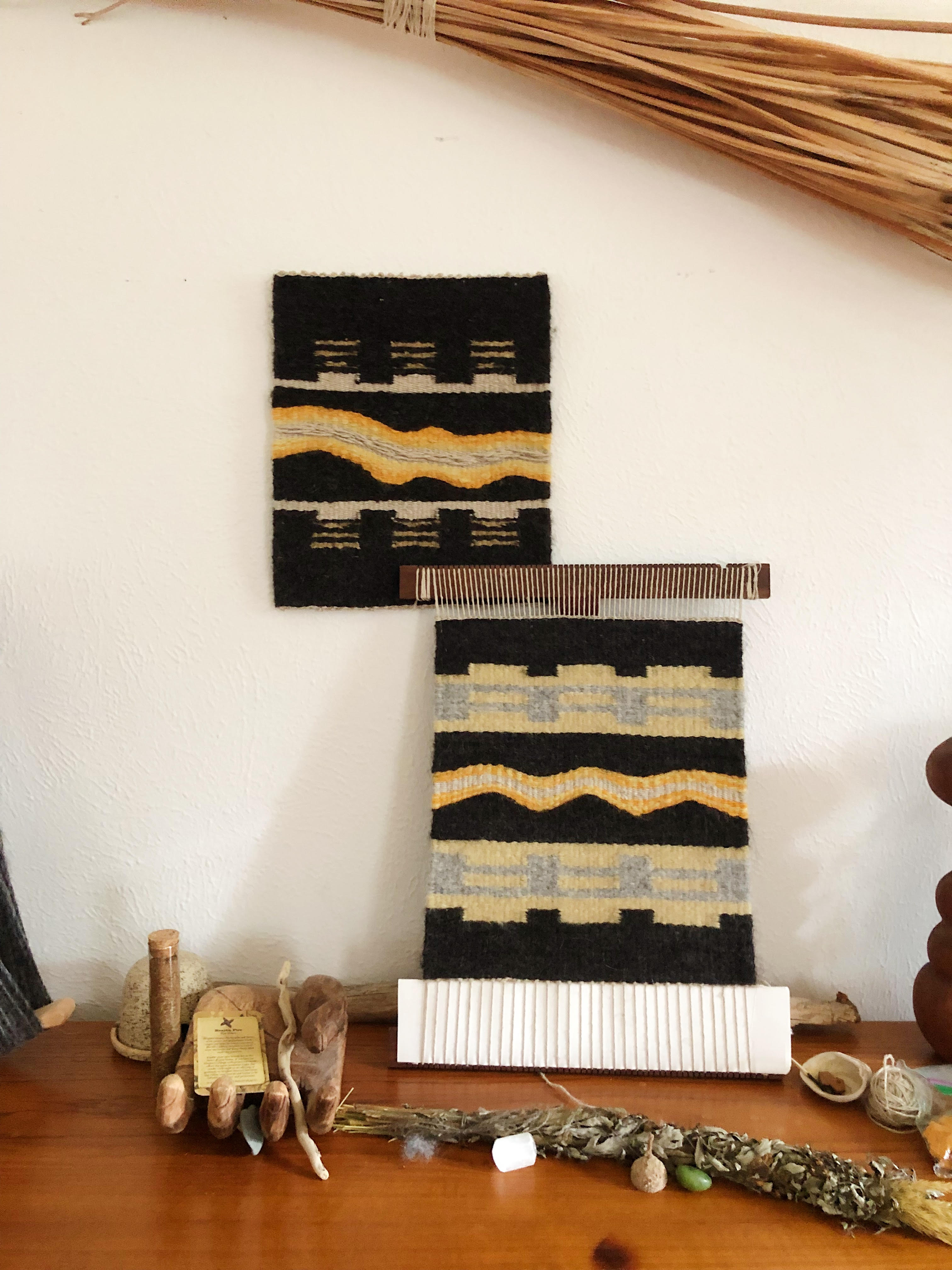
I am the world’s slowest weaver, because I do it in 1 hour bursts a couple days a week. I could be faster, but what fun would that be? also, I kinda enjoyed this commissioned work. I could be convinced to do another commissioned weaver for a reader if the barter is right.
Be well, dear reader,
James
Member discussion